
Of all the ways to heat water with electricity, a heat pump unit is by far the most efficient. Rather than running current through an element for every gallon, it uses a compressor, refrigerant, and a fan to harvest heat from surrounding air and move it into the tank. It takes much less power to move heat than to make it, so these hybrids regularly post Uniform Energy Factor ratings of about 3 to 4, while a conventional electric tank sits just under 1. Across Elgin, IL, that gap is prompting plenty of homeowners to replace a worn electric tank with a hybrid instead of another standard model.
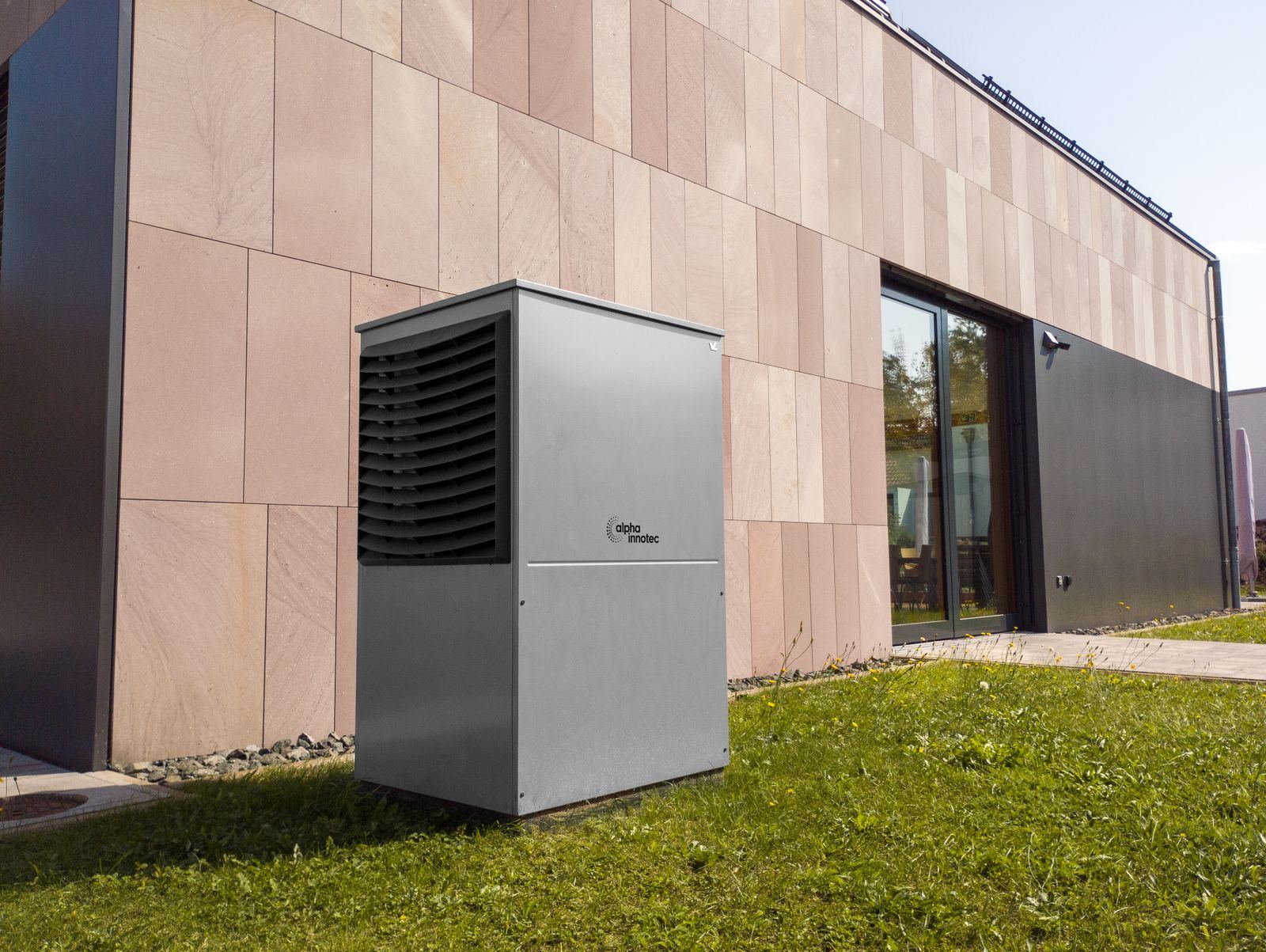
The catch is that a hybrid unit has to breathe. Most manufacturers call for roughly 700 cubic feet of surrounding space, about the volume of a 10 by 10 room with a typical ceiling, or ducting or louvered openings where the room is smaller. Because it pulls heat out of the air, it leaves that space a few degrees cooler and noticeably drier, which is welcome in a warm garage or damp basement and less welcome in a closet next to a bedroom. It also produces condensate that needs a reliable path to a floor drain or a condensate pump, and the compressor and fan make a steady hum at roughly the level of a quiet window air conditioner. Most models need a dedicated 240-volt circuit, though some newer 120-volt units can plug into an ordinary outlet. None of that is complicated, but every item decides whether the unit delivers.
The final piece is setup. Most hybrids offer several operating modes: heat pump only for maximum savings, hybrid for a balance of efficiency and recovery, electric or high demand for heavy-use days, and a vacation setting that holds the water barely warm while you are away. Because the heat pump recovers more slowly than an element, we often recommend stepping up one tank size, such as a 65-gallon unit in place of a 50, so the household rarely needs the elements at all. We install the unit with a proper drain pan and condensate line, the correct circuit, an expansion tank where the plumbing calls for one, and a scald-safe temperature setting, then walk you through the modes. Utility rebates and federal tax credits exist for many qualifying models, and we can point you toward the programs to check, though we cannot promise what you will qualify for. For a heat pump water heater in Elgin planned around your actual space, call (847) 220-5078.
Our most requested service is Water Heater Installation in Elgin. Either is a good place to start.
How to Tell Something Is Wrong
Recognizing the warning signs early can save you money and keep a slow drip from turning into a flooded utility room. Here are the most common indicators that it's time to call a professional:
- A warm utility space the heat pump can draw from
- Solar panels or a move toward an all-electric home
- Humidity problems in the space where the water heater sits
- Interest in utility rebates or federal tax credits for efficient equipment
- An aging electric water heater you want to replace before it fails
- Power bills where water heating is a large and steady line item
- An electrical setup already sized for an electric tank
- A garage, basement, or utility room with plenty of open air around the tank
Don't Wait for a Total Failure
A little rust-colored water or a relief valve that drips now and then can be the first hint of a tank that is close to the end. Don't wait. Get Elgin Water Heater on the phone at (847) 220-5078 and we'll get a technician scheduled.
Water Heater Trouble? Call Us.
Call Elgin Water Heater for fast, reliable service.
Get Help: (847) 220-5078Frequently Asked Questions About Heat Pump Water Heaters
Why Professional Heat Pump Water Heaters Matters
Installing a heat pump water heater is not the same job as swapping a tank. It is a plumbing appliance, an electrical appliance, and a small refrigeration system at once. The plumbing has to include a relief valve line to an approved spot and an expansion tank when the system is closed. The circuit has to meet the manufacturer's requirements, which may differ from the tank it replaces. And the room has to supply enough air, or the compressor starves and the unit quietly leans on its elements. This is the mistake we see most, and it turns an efficient appliance into an expensive standard heater.
Beyond the systems, there is the labor. A hybrid is taller than a typical tank and very heavy once filled, so moving and setting it level in a pan takes planning. A gas-to-electric conversion adds a gas line to cap, an unused vent to close off, and a new circuit to run. Condensate has to drain without fail, since an overflowing line can damage floors and walls quietly. And if the sealed refrigerant system ever needs service, that work requires special training and recovery gear. We take care of every step, set the operating mode for your household, and provide the documentation you may need for rebate or tax credit forms, leaving final eligibility to the program.
What to Expect From Our Team
We follow the same careful process on every water heater, whether it's a quick thermostat swap or a full tankless conversion. Here's what you can expect when you choose Elgin Water Heater:
Room Assessment
We measure the room volume, note how warm or cold it runs through the year, find the nearest drain for condensate, and check the electrical panel for a 240-volt circuit.
Right-Sizing the Tank
We size the tank to how your household actually uses hot water, keeping in mind that compressor recovery is slower than an element's.
Install Day
Water lines, the electrical circuit, T&P discharge piping, and a dependable condensate route are all installed and checked before the tank fills.
Mode Setup and Walkthrough
We fill and purge the tank, confirm the compressor runs and the condensate drains, set a safe temperature, and choose the mode that fits your routine.
Repair or Replace? Let's Figure It Out.
We give honest advice and upfront pricing on every job, big or small.
Call (847) 220-5078 NowPrevention Tips That Actually Help
Routine maintenance is almost always cheaper and easier than an early replacement. Follow these tips from our technicians:
- Check that condensate is reaching the drain and the pan stays dry
- Ask for an anode rod check during maintenance visits
- Clean the air filter on top of the unit every few months so the compressor can breathe
- Keep fumes and heavy dust away from the air the unit draws in
- Keep up with a yearly flush, since hybrids collect sediment like any tank
- Leave clear space around the intake and exhaust instead of stacking storage against them
- Put the unit in vacation mode whenever the house will sit empty for a while
Should You DIY or Call a Pro?
Some simple checks are fine to do yourself, but most water heater repairs benefit from professional tools, training, and experience. Here's a comparison:
| Factor | Doing It Yourself | Professional Service |
|---|---|---|
| Placement | Space never measured | Located where the compressor can work |
| Electrical | Breaker size guessed | Circuit matched to the nameplate |
| Condensate | Line left to drip on the floor | Condensate path planned and verified |
| Tank Capacity | No thought to slower recovery | Sized for peak demand and recovery |
| Settings | Modes never explained | Settings chosen for savings |
| Code Items | Relief valve line and expansion tank overlooked | Code items addressed where required |
Get Heat Pump Water Heaters Help Today
Cold showers and damp floors don't get better on their own. Elgin Water Heater can have a technician headed your way soon.
Call (847) 220-5078 NowWhere We Provide Heat Pump Water Heaters
We serve Elgin and its neighboring towns for heat pump water heaters, from quick same-day repairs to planned installs.